The day I was *supposed* to get the call from USC after my interview I was at work. I was nervous. My phone ring was set to loud, but even so I couldn’t help but check it every few minutes to make sure I didn’t miss anything. That afternoon, while I was roaming the floors of the museum, I saw a bit of trash on the ground. It was a small strip of white paper. I bent over to pick it up and realized it was a fortune cookie fortune. It read, “A dream you have will come true soon.” Being in the state of mind I was in, I naturally took this as a super good omen. I became so confident that I was going to get the call on that day. Five o’clock came and went, and still nothing. To clear my head, and perhaps in a desperate hope that I would still get a call, sparing me the inevitable inquiry-turned-pity by my family, I decided to walk home. But as surely as the sun rose and set, so had my spirit. A week later I got the email that I had been placed on the “alternative” list. Even so, I held on to that little strip of paper, despite it’s betrayal, as if it was the last sliver of hope I had for acceptance.
Days, weeks, months passed and the only news hitting my inbox was rejections. Eventually, I resigned to the fact that medical school wasn’t going to happen for me this year. I edited and submitted my re-application and I started planning out my year. One of my mentors and friends had suggested to me getting my certification as a child life specialist. It sounded interesting and after looking into the coursework required I thought it would be good fit for me and I decided to go for it. I am currently enrolled in my first of 5 classes.
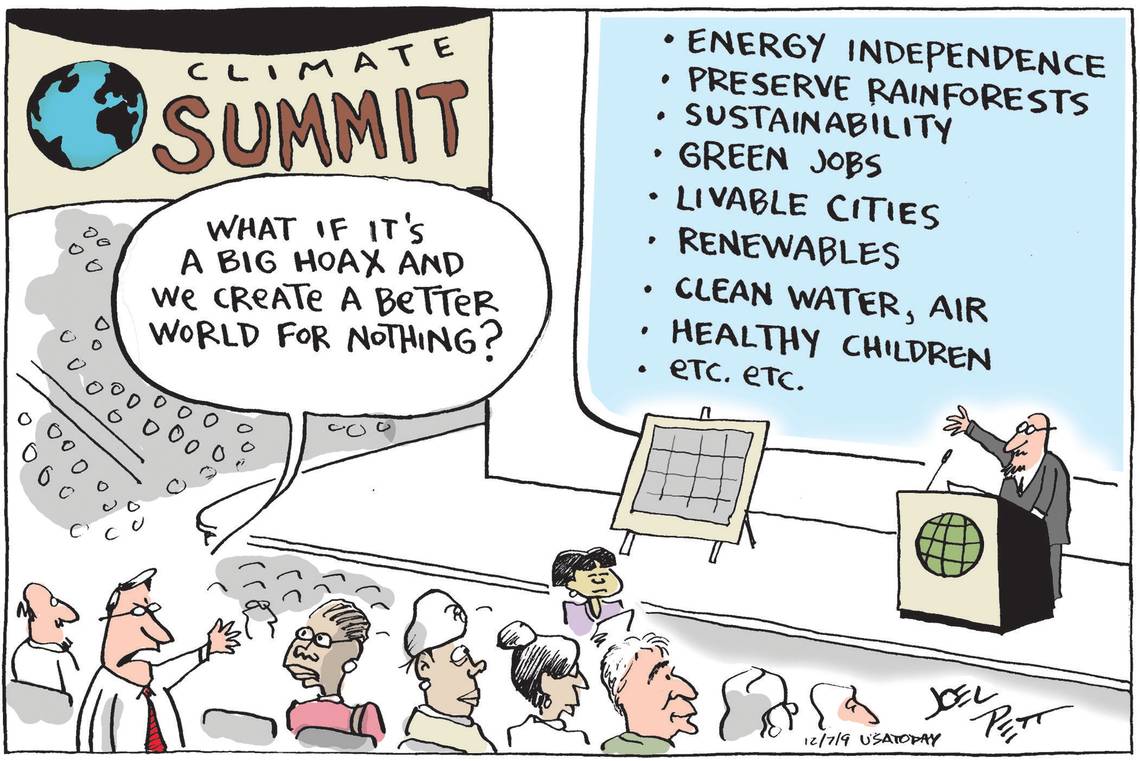
I also applied to work visit and work with an organization I heard about earlier this spring called Health in Harmony. The work of this organization is really amazing. They are working currently working to reduce deforestation in Borneo by increasing access and quality of healthcare to the local communities, and they have been wildly successful. The numbers that they are reporting for both conservation and health are almost unbelievable. The solutions being applied by Health in Harmony is exactly the type of problem-solving I think our world needs RIGHT NOW. About two weeks ago now they reached out to me approving a visit for next summer to work in their clinic in Borneo.
All the while I’ve continued my work with the Museum of Exploration and Innovation (MOXI) and Doctors Without Walls (DWW). I plan to continue volunteering with DWW throughout the year, though I am no longer the Companion Care Coordinator. With MOXI I’ve been planning a departure pending alternative employment, but I still want to volunteer with them every once in a while (all the fun of working there, without the responsibility of being a paid employee).
Last Friday, at 10:05 AM I received a call while going through my morning routine. It was a 323 number which I recognized as an LA number. Everytime I would see LA area codes my heart would jump a little bit, in hopes it would be some medical school admissions person. However, I have been conditioned by telemarketers and scam callers not to answer any foreign numbers regardless of area code, so I let it ring. Minutes later I got a voicemail notification. Scammers leave messages too though, so my expectations were stilled tempered. I started to the voicemail legitimately expecting the ol’ ~~YOUR CREDIT CARD NUMBER HAS BEEN REVEALED TO EVERYONE IN THE WORLD TYPE IN NOW TO KEEP YOU SAFE~~. It was the dean of Keck asking me to call her back… I wasn’t sure what to think. I doubt she would call me at this point to tell me to give up hope, but you never know, my mind wanted to prepare me for maximum emotional pain, even though I had every right to assume good news. I watched an episode of Seven Deadly Sins on Netflix (in Spanish, another thing I’m trying to do this year) to mentally prepare myself and as to not cause suspicion that I ignored her call on purpose.
She began with expected pleasantries, and then went to say that there has been no movement on the waitlist, but assuring me that if a seat opened up that she would offer it to me. In that moment I was disheartened, but still hopeful; she wouldn’t call me just to tell me that. Then it came, she offered me a seat in next year’s class. It took every ounce of my will not to immediately accept it right then and there. And maybe a more confident me would have, but I was partially in disbelief and partially skeptical. Thankfully, she didn’t put me on the spot and asked me to get back to her once I had made my decision.
My mind was pretty much made up, but I felt like it wasn’t culturally acceptable to just say yes to such something so important to me without any deliberation. I wanted to be sure. It didn’t take much though. I mean this worked out pretty much perfectly. I was secured a spot for medical school without having to worry about going through another round of secondaries and interviews, and all the anxiety that comes with it, all while being able to maintain the plans I had already made for the coming year. I eagerly called her back the following Monday and accepted the offer.
If you’ve been following my recent posts you know I’m not a huge believer in destiny or higher powers determining our fate, but some of this stuff gets me thinking. I know all likelihood says that the whole thing with the fortune cookie fortune that picked-up is pure coincidence, but what are the chances that I would pick-up a fortune with that message (granted many fortunes say similar things, but they also say many, many other things), on the day I was expecting to get news from specific school, and then months later, getting in to that specific school (Keck of all places).
I recently rediscovered that prophetic fortune. It actually reads, A dream of yours will come true. That’s it. I had been misquoting it this whole time… the soon was all in my head. Funny how that works. I imposed my own timeline on this stupid piece of paper, and it decided to teach me a lesson. Even if it had said soon, that means next to nothing. My insecurity not only inserted that word, but assumed that it meant within the week or sooner. I know this all sounds silly, and it is, but it’s fun to think about. I don’t actually believe universe was trying to communicate to me through garbage…or do I?
Whatever the case, this is all a good reminder that the world doesn’t stop when things don’t go the way I expect and to be thankful for the goodTM, and learn from badTM . Just gotta keep moving and fighting on 😉 . I am thankful to everyone who supported me throughout all of this, and if you’ve made it this far chances are you are one of them. None of this would be possible without you. Sorry if this (whole thing) is cheesy, but I gotta put somewhere.
<3NV
 nANIMOv